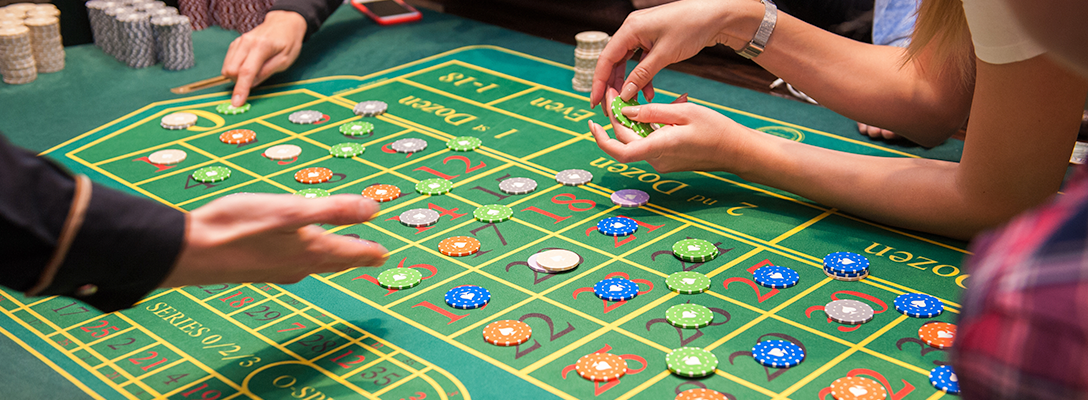
Gambling is not just about odds and probabilities. It is deeply influenced by human psychology. Every decision a player makes — from placing a bet to chasing losses — is shaped by emotions, cognitive biases, and behavioral patterns.
Understanding the psychological side of gambling helps players recognize why they make certain choices and how to avoid costly mistakes. It also explains why even experienced bettors can struggle with consistency.
The Emotional Impact of Winning
Winning triggers strong emotional responses that can influence future decisions.
The “Winning High” Effect
When players win, the brain releases dopamine, creating a sense of pleasure and excitement. This can lead to overconfidence and riskier bets.
How Winning Can Lead to Mistakes
After a successful streak, players often:
- Increase their stakes too quickly
- Believe they have found a “system”
- Ignore proper bankroll management
These reactions can quickly turn short-term success into long-term losses.
The Psychological Weight of Losing
Losses affect players differently, often creating stronger emotional reactions than wins.
Loss Aversion in Gambling
People tend to feel losses more intensely than gains. This is known as loss aversion, and it plays a major role in gambling behavior.
The Danger of Chasing Losses
After losing, players may try to recover money immediately, leading to poor decisions.
- Increasing bet sizes without strategy
- Ignoring odds and value
- Continuing to play despite emotional stress
- Abandoning planned limits
Chasing losses is one of the fastest ways to deplete a bankroll.
Cognitive Biases That Affect Betting Decisions
Cognitive biases distort how players interpret outcomes and probabilities.
Gambler’s Fallacy
This is the belief that past results influence future outcomes. For example, thinking a team is “due to win” after several losses.
Confirmation Bias
Players tend to focus on information that supports their beliefs while ignoring contradictory data.
Illusion of Control
Many gamblers believe they can influence random outcomes through strategies or patterns, even in games of pure chance.
Recognizing these biases is essential for making rational decisions.
The Role of Risk Perception
Risk is not perceived objectively. Players interpret it based on emotions and experience.
Some gamblers underestimate risk when they are confident, while others overestimate it after losses. This inconsistency leads to unstable betting behavior.
Understanding real probability versus perceived probability is key to maintaining discipline and avoiding impulsive bets.
Building Emotional Discipline
Emotional control is one of the most important skills in gambling. Without it, even the best strategies fail.
- Set strict limits for time and money
- Accept losses as part of the process
- Avoid betting under emotional pressure
- Stick to pre-planned strategies
Discipline reduces the influence of short-term emotions and helps maintain long-term consistency.
How Environment Influences Behavior
Casinos and betting platforms are designed to encourage longer play. Lights, sounds, and quick results create a continuous stimulation loop.
Online platforms add convenience and speed, making it easier to place multiple bets quickly. This increases the risk of impulsive decisions.
Being aware of these environmental factors helps players stay in control and avoid over-engagement.
Practical Strategies to Stay in Control
Understanding psychology is only useful if it leads to better decisions.
Simple Habits for Better Decision-Making
Players can improve their approach by:
- Tracking bets and reviewing results objectively
- Taking breaks after wins and losses
- Separating entertainment from financial goals
- Avoiding multitasking while betting
Recognizing Warning Signs
Signs that psychology is negatively affecting your gambling include:
- Betting to recover losses instead of following a plan
- Feeling frustration or urgency during play
- Increasing stakes without logical reasoning
- Ignoring limits or rules you previously set
Recognizing these patterns early allows players to adjust their behavior before losses escalate.